>>1927588>SensorsThere are 2 types of sensors - Cadence sensors (which measure how fast you are pedaling) and torque sensors (which measure how much force you apply to the pedal). Torque is generally considered superior and more intuitive but also more expensive. Biggest difference is that torque works instantly, while cadence needs a revolution roughly to get started, which is worse when starting on a hill.
>BatteryGet something that has a removable battery. Batteries are one of the things that will get worse fastest and eventually fail, so easy replacing is important. Plus if you live in a flat, taking the battery out to charge is a must.
>Do not go NonameIt doesn't have to be the most reputable or expensive brand, but don't go giga cheap Chinese or random Noname brands. It should be a tested bike and the company should be around in 5-10 years so you can get replacement parts. E-bikes often need to handle more stressed than normal ones, so it should have a sturdy and tested frame.
>Motor positionUnless you have to DIY, do not get a front motor. Back motor is perfectly fine, middle motor is considered best.
>ShifterSome e-bikes are single speed. As long as you have enough charge that's usually okay-ish, but gets annoying at high speeds (because you need to pedal mega fast). Without charge it gets really annoying at low speeds too. In exchange, a single speed ebike needs less maintenance. If you want to be able to have a nice ride even without charge, get one with a shifter.
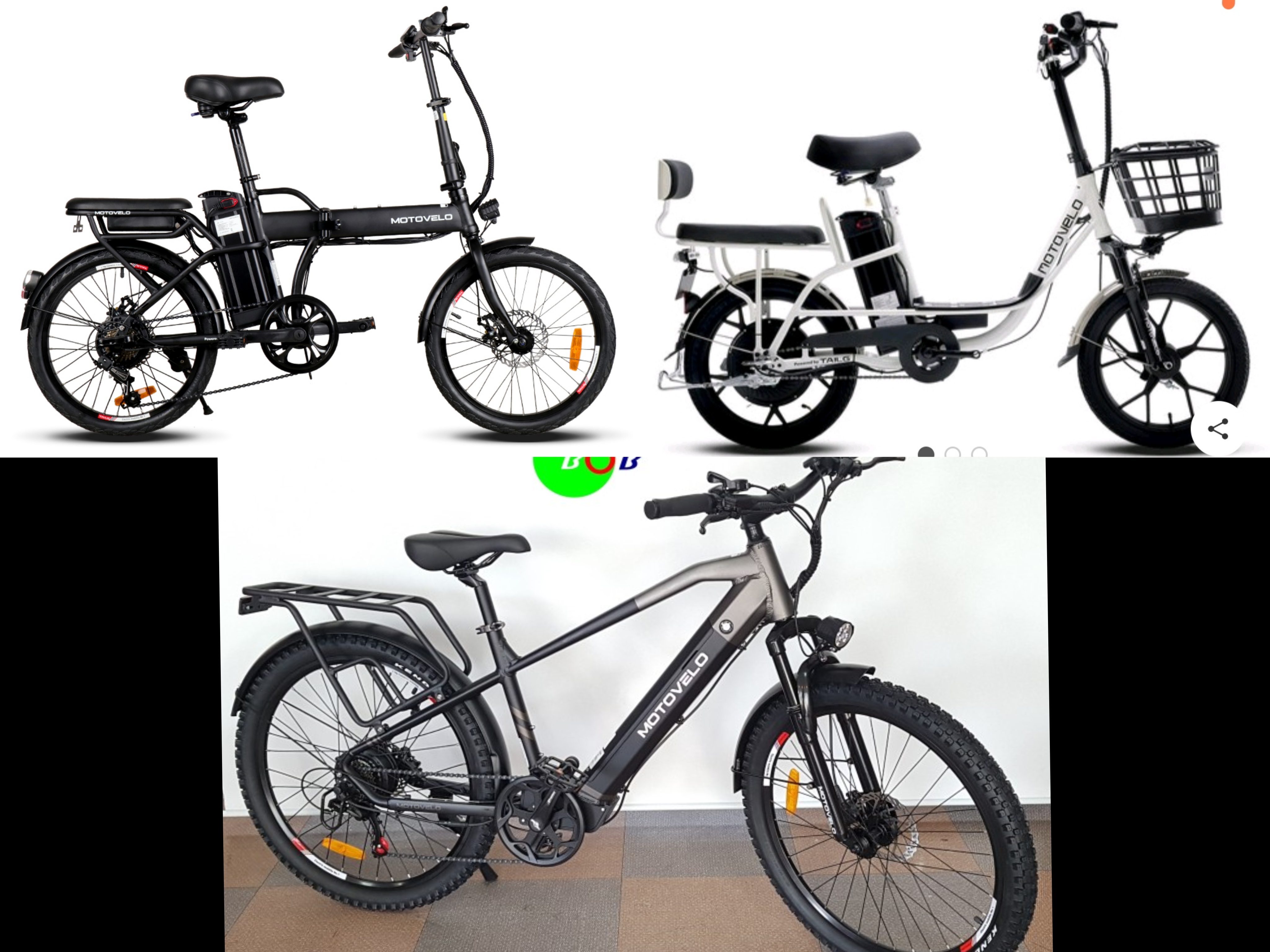
> SpaceFolding if you want to save space or occasionally take it on vacation/travel via train. If not, I prefer more classic frame
Personally I have a diamond frame, rear motor, cadence based ebike. It's not the best on the market by far, but it was really cheap and it does it's job exceptionally well. I am happy with my choices, I prioritized certain areas (battery, motor specs) while sacrificing others (UI, sensor type).