[15 / 1 / 1]
Quoted By: >>1456338
https://apnews.com/article/serbia-kushner-trump-tower-special-law-69b8c6f0969b30b3911875c841f323b9
BELGRADE, Serbia (AP) — Serbian lawmakers on Friday passed a special law clearing the way for a controversial real estate project that would be financed by an investment company linked to Donald Trump’s son-in-law Jared Kushner despite widespread public opposition and legal hurdles.
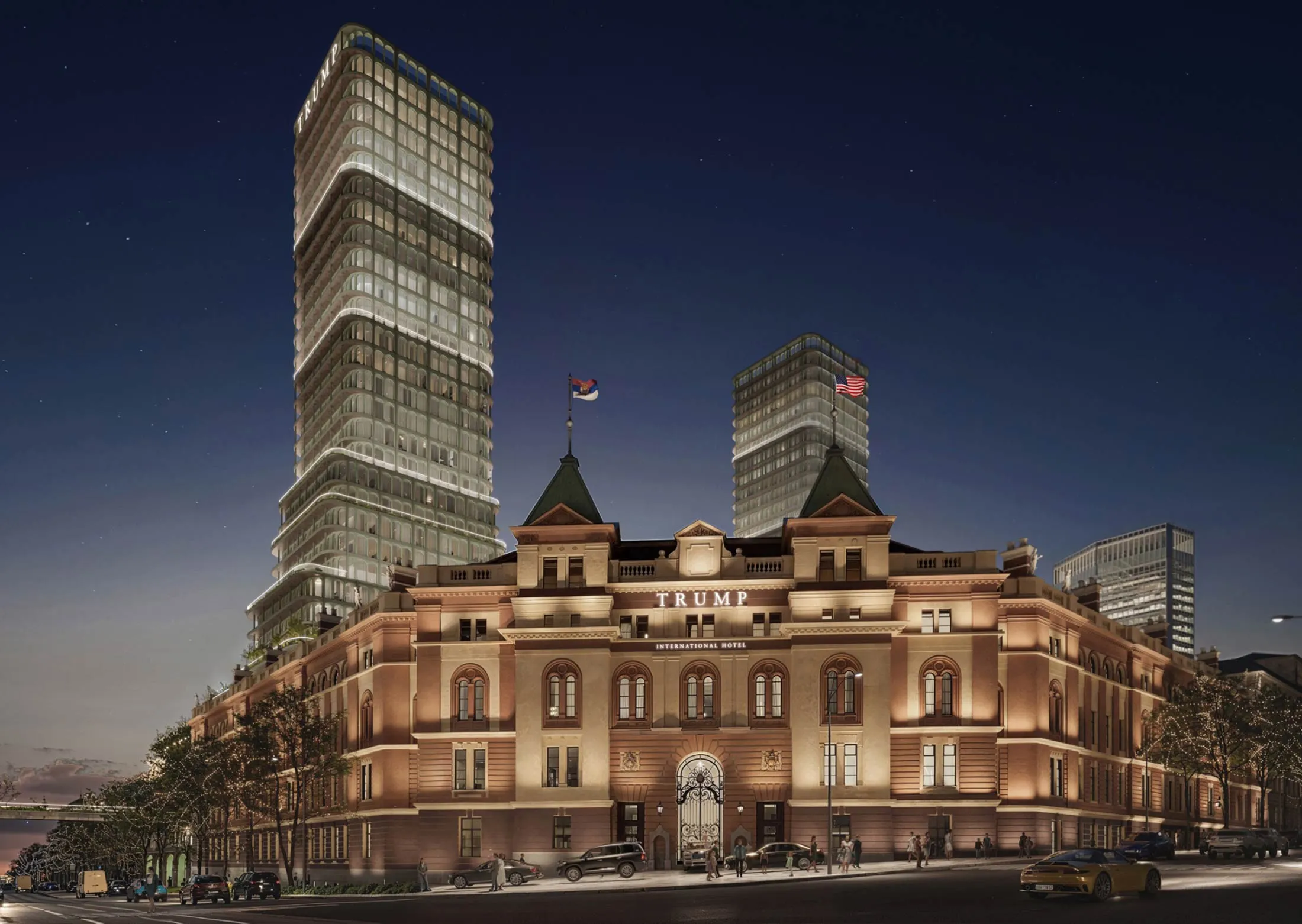
The project seeks to redevelop a landmark military complex in central Belgrade that was partially destroyed in a NATO bombing campaign in 1999, turning it into a luxury compound with a high-rise hotel, offices and shops.
The special bill was approved with a 130-40 vote in the 250-member parliament after days of heated parliamentary debate and street protests by opponents.
Serbia’s government last year stripped the complex of its protected status and signed a 99-year-lease agreement with Kushner-related Affinity Global Development, based in the U.S. But the project stalled after Serbia’s organized crime prosecutors launched an investigation into whether documents used to remove that status were forged.
While the pro-Trump populist government of President Aleksandar Vucic says the project would boost both the economy and ties with the current U.S. administration, the plan has met fierce opposition from experts because of the building’s architectural significance — and because it is seen a symbol of resistance to the U.S.-led NATO bombing, widely viewed in the Balkan country as an unjust “aggression.”
BELGRADE, Serbia (AP) — Serbian lawmakers on Friday passed a special law clearing the way for a controversial real estate project that would be financed by an investment company linked to Donald Trump’s son-in-law Jared Kushner despite widespread public opposition and legal hurdles.
The project seeks to redevelop a landmark military complex in central Belgrade that was partially destroyed in a NATO bombing campaign in 1999, turning it into a luxury compound with a high-rise hotel, offices and shops.
The special bill was approved with a 130-40 vote in the 250-member parliament after days of heated parliamentary debate and street protests by opponents.
Serbia’s government last year stripped the complex of its protected status and signed a 99-year-lease agreement with Kushner-related Affinity Global Development, based in the U.S. But the project stalled after Serbia’s organized crime prosecutors launched an investigation into whether documents used to remove that status were forged.
While the pro-Trump populist government of President Aleksandar Vucic says the project would boost both the economy and ties with the current U.S. administration, the plan has met fierce opposition from experts because of the building’s architectural significance — and because it is seen a symbol of resistance to the U.S.-led NATO bombing, widely viewed in the Balkan country as an unjust “aggression.”
