[15 / 1 / 1]
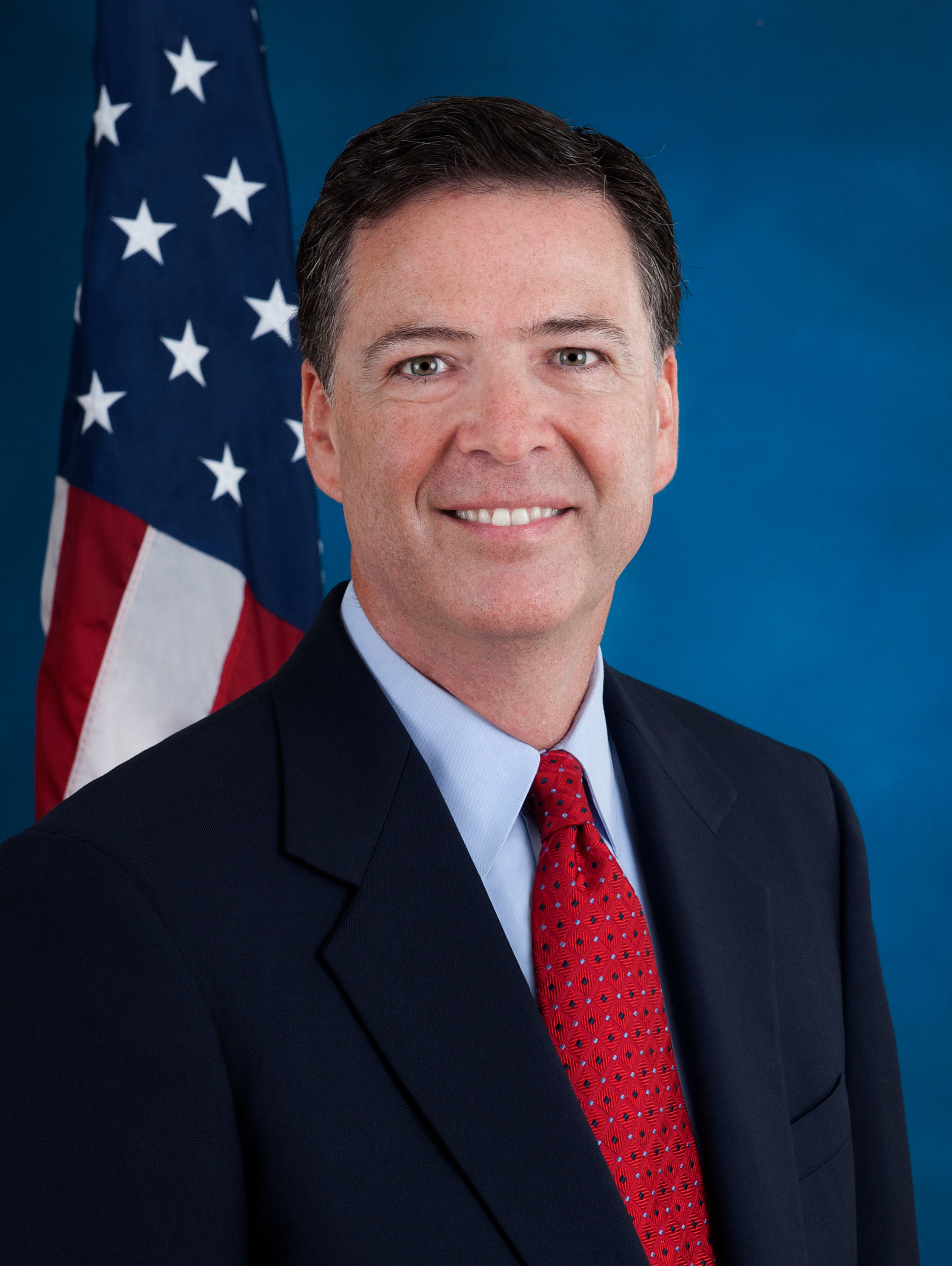
924KiB, 2257x3000, James_Comey_official_portrait_(3x4_cropped).jpg
https://thehill.com/homenews/5609014-comey-wins-grand-jury-materials/
Judge orders DOJ to turn over grand jury materials to James Comey, cites ‘disturbing pattern’
A federal magistrate judge has ordered the Justice Department to turn over grand jury materials to former FBI Director James Comey as he fights criminal charges, pointing to possible government misconduct as reason to grant the unusual relief.
Judge William Fitzpatrick referenced several apparent missteps by Lindsey Halligan, the interim U.S. attorney hand-picked by President Trump to pursue charges against his foe, that may have threatened the proceeding’s fairness.
He said that Comey’s right to due process outweighs the typical secrecy afforded to grand jury proceedings, directing prosecutors to hand over the materials by the end of Monday.
“The Court recognizes that the relief sought by the defense is rarely granted,” Fitzpatrick said. “However, the record points to a disturbing pattern of profound investigative missteps, missteps that led an FBI agent and a prosecutor to potentially undermine the integrity of the grand jury proceeding.”
Comey faces false statements and obstruction charges stemming from 2020 testimony he gave to Congress about leaks at the FBI. He has pleaded not guilty, and a trial is set for Jan. 5.
Though Fitzpatrick did not name Halligan, a different federal judge confirmed at a hearing last week that Halligan was the only prosecutor to present evidence against Comey to the grand jury. Fitzpatrick also said that just one prosecutor was present.
Judge orders DOJ to turn over grand jury materials to James Comey, cites ‘disturbing pattern’
A federal magistrate judge has ordered the Justice Department to turn over grand jury materials to former FBI Director James Comey as he fights criminal charges, pointing to possible government misconduct as reason to grant the unusual relief.
Judge William Fitzpatrick referenced several apparent missteps by Lindsey Halligan, the interim U.S. attorney hand-picked by President Trump to pursue charges against his foe, that may have threatened the proceeding’s fairness.
He said that Comey’s right to due process outweighs the typical secrecy afforded to grand jury proceedings, directing prosecutors to hand over the materials by the end of Monday.
“The Court recognizes that the relief sought by the defense is rarely granted,” Fitzpatrick said. “However, the record points to a disturbing pattern of profound investigative missteps, missteps that led an FBI agent and a prosecutor to potentially undermine the integrity of the grand jury proceeding.”
Comey faces false statements and obstruction charges stemming from 2020 testimony he gave to Congress about leaks at the FBI. He has pleaded not guilty, and a trial is set for Jan. 5.
Though Fitzpatrick did not name Halligan, a different federal judge confirmed at a hearing last week that Halligan was the only prosecutor to present evidence against Comey to the grand jury. Fitzpatrick also said that just one prosecutor was present.
