>>2701990The Mountaineers were founded in 1906 in the Pacific Northwest, and sometime in the early 20yh century they came up with a list of essential items that people should bring when scaling mountains. The 10 Essentials became a sort of outdoor canon, though it seems to have fallen out of favor in recent years. I think the Boy Scouts still teach it but changed “repair tools” to “a pocket knife.” It’s not a specific items list but one of general categories. For instance it doesn’t list a Bic lighter, just “fire.” It also doesn’t include things you’re wearing (shoes, pack), so it’s not an exhaustive list.
In no particular order:
>navigationMap and compass, GPS, phone (don’t rely on just your phone in some circumstances)
>illuminationHeadlamp, flashlight. Don’t rely on just your phone.
>hydrationA way to carry water. A way to treat it if it’s coming from creeks.
>nutritionFood and a way to carry, prepaid, and eat it.
>fireLighter, fero rod, etc.
>repair toolsA pocket knife, tenacious tape, a patch kit if you have an inflatable mattress, maybe some zip ties
>first aidA personalized first aid kit (keep it simple; blisters, ibuprophen, chewable peptobismal, etc.). Bug repellent
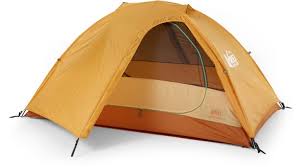
>shelterTent, tarp, etc.
>sun protectionHat and sunscreen, umbrella, long sleeves, gloves, etc
>insulationVery broad category, as it includes extra clothing for warmth as well as rain gear. The original list was for day hikes in precarious places, so a ground pad and sleeping bag weren’t included, but would fall into this category.
The Boy Scout handbook chapter on backpacking now includes three (3) sections on keeping pack weight down: what not to buy, useless things, and weight management. It’s solid advice. Don’t over burden yourself with too many things.