>>2705498I'm from germany, and here there's different parks for different uses, rather than one "ideal" park.
- There's the "common" park, usually situation relatively centrally in the city, and it's usually basic. A good version of these has mostly lawn, occasional trees to provide shade, at least one, ideally multiple playgrounds for kids (swings and a slide are a minimum, exercise equipment like bars at different heights as well as purpose built exercise equipment for elderly are welcome additions). The purpose of this park is primarily a social one, it gives a place where citizens can spend time outside their homes for free. You'll see people of all ages go for walks, picnic, sunbathe, grill etc. Ideally since it's just lawn, grilling is allowed, as long as you don't leave trash behind.
- Then there's the "educational" parks. Mostly historical parks that used to belong to nobility but a botanical garden counts too. These offer some light education and can still be used like a common park. As a bonus they almost always have amazing views over the city.
- There's the "wild" park. These are usually kept relatively wild, often also in a nature preserve area and at the edge of a city. There's a petting zoo of local species that live in the forest and kids can go learn about them and get closer to nature. There's often events for kids here by local rangers where they can learn and have fun in the woods, as well as a larger playground.
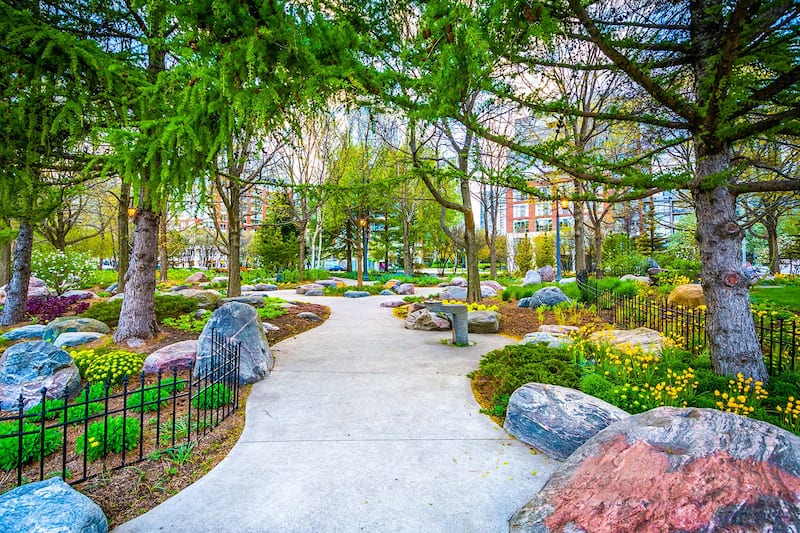
- Lastly there's the "opportunity" parks. These are small parks, built in areas where there's space. They usually have walking paths, more trees than common parks, some grassy area as well as a few playgrounds and benches every once in a while. The purpose of these is to allow residents to have some green space very close to their house to unwind, get some fresh air, get away from city noise and relax.
I genuinely believe parks are essential for social cohesion in a city, it's where all economical classes meet and spend time together