
How are the trains in South Korea? And is there a culture around them as well like Japan?
Threads by latest replies - Page 10

Quoted By:
How is this guy alive? First one or two videos I watched, I thought he was just going for (You)s but they just get worse and worse. The only way this makes sense is if he has terminal cancer and he wants to die riding a bike and not in a hospital bed.

Quoted By: >>2066213
What's the co/n/sensus on FACTOR bikes? Is it worth the extra money to get world class Israeli engineering?

Quoted By:
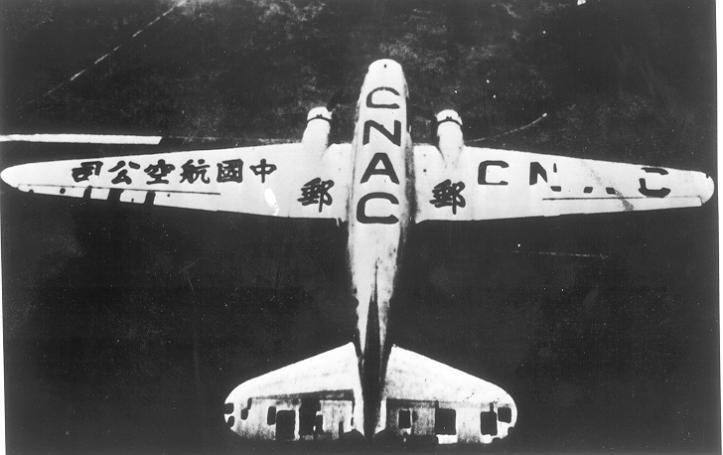
We had to destroy the plane in order to save it edition.
Crashes year to date:
https://aviation-safety.net/database/year/2026/1
Last thread:
https://boards.4chan.org/n/thread/2062242/
Crashes year to date:
https://aviation-safety.net/database/year/2026/1
Last thread:
https://boards.4chan.org/n/thread/2062242/
Quoted By:

Quoted By: >>2066170
I am a railway fan from Moscow. In my free time, I make videos of trains, subways, and transportation. Ask questions about my activities, and the transport of my country, stereotypes, in general, everything that is interesting, I will try to answer.

Why are they so hated?

Quoted By:
What type of bike or vehicle is this? What are other similar types of vehicles around the world are there, please name them if you know the names.

Quoted By: >>2066171
>The San Diego and Arizona Eastern Railway (reporting mark SDAE) is a short-line American railroad founded in 1932 as the successor to the San Diego and Arizona Railway (SD&A), which was founded in 1906 by entrepreneur John Spreckels. Dubbed "The Impossible Railroad" by many engineers of its day due to the immense logistical challenges involved, the line was established in part to provide San Diego with a direct rail link to the east by connecting with the Southern Pacific Railroad lines in El Centro, California.
>the railroad has a checkered history, with periodic disruptions in service to rockslides, storms, fires, and derailments, and has never been profitable
>the line ceased being used in its entirety decades ago and has been bounced around by owner to owner ever since
>at present, only a fraction of the line in San Diego, Mexico, and Campo is actively used, with the rest being left to decay
Here's my questions:
1. Were the "Impossible Railroad's" issues inherent to the climate and terrain, or more so the technological/economic limitations at the time of its construction (the railroad was built with anachronistic infrastructure such as wooden trestles)?
2. If funding could secured, would it be possible to rehabilitate or even rebuild the line in its entirety using modern engineering techniques to negate the hazards that plagued its previous incarnations?
3. What services could be provided to make the line economical, or even turn an actual profit? Obviously there's tourism, Carrizo Gorge attracts thousands of tourists a year (many of whom come to gawk at the ruins of the railway). I recently found out that the Mexican portion of the line is used to host the Tijuana-Tecate Tourist Train (pic related, several gallery cars that were originally intended for it but ultimately left unused) and has proven quite popular. But I'm also wondering industries could be served or even if a US-Mexico commuter service would be feasible (ignoring current diplomatic issues)
>the railroad has a checkered history, with periodic disruptions in service to rockslides, storms, fires, and derailments, and has never been profitable
>the line ceased being used in its entirety decades ago and has been bounced around by owner to owner ever since
>at present, only a fraction of the line in San Diego, Mexico, and Campo is actively used, with the rest being left to decay
Here's my questions:
1. Were the "Impossible Railroad's" issues inherent to the climate and terrain, or more so the technological/economic limitations at the time of its construction (the railroad was built with anachronistic infrastructure such as wooden trestles)?
2. If funding could secured, would it be possible to rehabilitate or even rebuild the line in its entirety using modern engineering techniques to negate the hazards that plagued its previous incarnations?
3. What services could be provided to make the line economical, or even turn an actual profit? Obviously there's tourism, Carrizo Gorge attracts thousands of tourists a year (many of whom come to gawk at the ruins of the railway). I recently found out that the Mexican portion of the line is used to host the Tijuana-Tecate Tourist Train (pic related, several gallery cars that were originally intended for it but ultimately left unused) and has proven quite popular. But I'm also wondering industries could be served or even if a US-Mexico commuter service would be feasible (ignoring current diplomatic issues)

If BOAT stands for "Bust Out Another Thousand," what does PLANE stand for?
