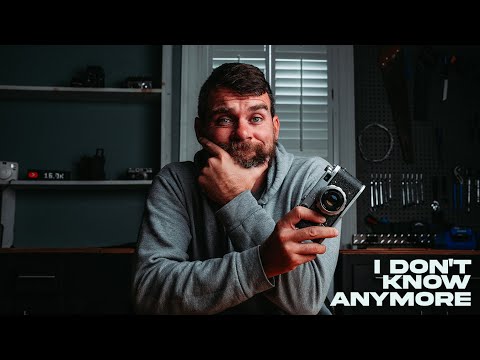
Why are photography YouTubers so shit? They mostly churn out boring nontent while dressing like a copy of a copy of a copy of someone who thought he might closet cosplay Ansel Adams. Who are they aping? Almost all have the cadence and tone of a best buy sales associate either slowly conniving a golden HDMI cable sale or postponing their suicide on a Sunday evening only since their parents are still alive; with no in-between. I meet smarter and more interesting people IRL at camera club or local stores, so it's not as if this hobby is exclusively for people prescribed Klonopin and SSRIs. Half of them are just talking head slop direct to camera talking about what gear to buy (micro four nerds) The ones that do teardowns and repairs of gear are usually fine, but those aren't exactly photo videos at that point.
The only guy that does the "video of taking photos" thing I can stand is Nick LoPresti since he doesn't talk like he's constipated, but lately the lack of constipation has become a problem since he's been diarrhea-shitting up my sub box with low-effort commentary videos sitting in front of a green screen. Idk who he's aping there, 2016 twitch? Don't like it, especially one where he and his wife are politisperging about shit like how "they can't use Google search for inane things because it'll track you" for what feels like several minutes.
Snappiness may be my second favorite even though he looks and talks like a queer (he has kids so I guess he isn't technically). At least he does ridiculous things with cameras that are more interesting than "I walked and took a photo of something and had some ennui about it".
Also, I hate gxAce with a passion, dead horse of a gimmick beaten into dust at this point. 80% of his videos serve no purpose to the modal viewer since they're just a rain-dance to the corporate marketing teams to get them to send him gear. (Also combining sloppy wet deep-throat glazing prose with an aloof tone is uniquely excruciating to listen to.)
So, which of the big companies is going to be the first to offer an affordable 100mp camera?
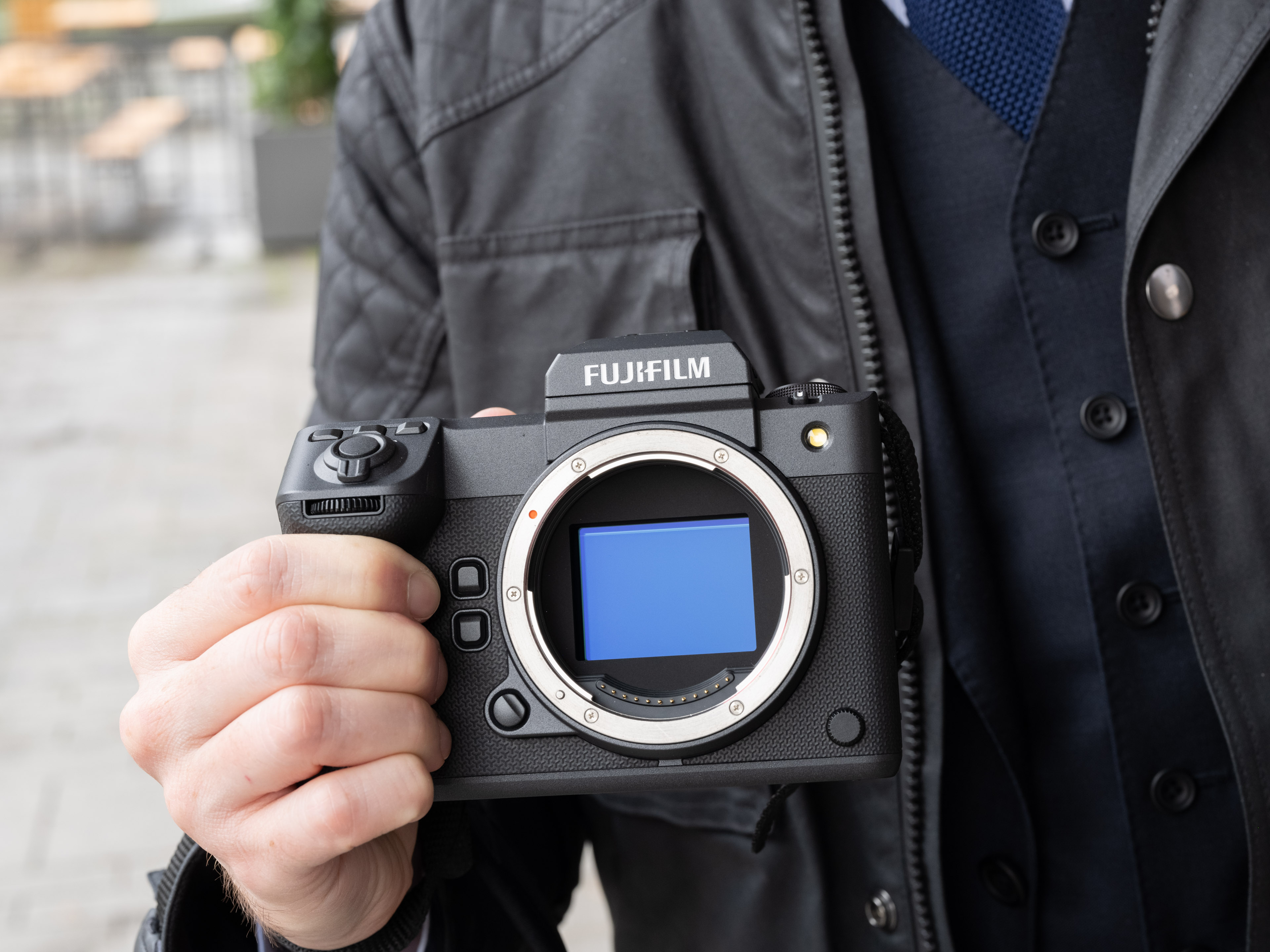
Fuji is obviously already out there, but this thing is Eight thousand dollars. I suspect that when it happens (eventually) it will be Nikon. I feel like historically they are the company which has introduced high end features at a lower price.
I currently use a fuji xt5, and i have a 33mm f1.4, and a 8-16 f2.8, I shoot mainly cosplay and diy punk rock photography, i was looking to trade in both of these lenses for a 17-40 but idk if its worth it. Im looking for second opinions, thx <3
Why has the world abandoned photo shoots of good looking women? 99% of anything I see now is selfies and if its a photoshoot its just to sell clothing or some super generic looking agency testshoot. 10 years ago or whatever the world was full of every good looking girl doing multiple photoshoots just for content. What happened?
Think about it logically. The A7C series, despite its warts, is: >responsible for a massive portion of E-mount adoption >bestselling >revealing of an enormous market for compact yet usable full frame stills MILCs Why hasn't anyone else copied the concept? inb4: >A7C bodies are e-waste trash Yes, that's why I want somebody else to try it. >Sigma, Panasonic, Nikon They all pussied out hard and catered too much to videofags. The fp could have been perfectly fine if they had traded the heatsink for IBIS and made the EVF solution less massive (ergo, added a hotshoe and copied Leica's Visoflex). Meanwhile, the bf is the fp but even less functional. The S9 caters to vlogfags above all. Without a viewfinder you're more or less fucked if you want to manual focus. Same for the ZR. For this to work, these faggot product engineers need to get real. A small body, ideally 61MP, with IBIS, reasonably sized grip to not have to skimp on battery life and SD card(s), and a modular tilting EVF. It's really that fucking simple, and Sony has proved that it's not only technically and economically feasible, but also a very good business move. So why haven't they done it?